Statistics
Z-Score Calculator
Convert any raw value into a standardised Z-score using the mean and standard deviation — with the corresponding percentile, probability, and a normal curve showing exactly where the value sits.
Was this useful?

Convert any raw value into a standardised Z-score using the mean and standard deviation — with the corresponding percentile, probability, and a normal curve showing exactly where the value sits.
Enter your values on the left, then press Calculate.
Watch: Z-score: how to tell if a result is actually unusual (Short)
Average order value £245, StDev £58. A £380 order just came in. Enter the lab and find out how statistically unusual it really is.
Use the calculator above to convert any raw value into a standard score. A Z-score shows how far a value sits from the average, measured in standard deviations. That makes it useful for comparing results from different data sets, spotting unusual observations, and explaining whether a number is genuinely unusual or simply normal variation.
A Z-score is a standardised value. It tells you whether a result is above the mean, below the mean, or close to the centre of the data. A score of 0 means the value is exactly average. A score of +1 means one standard deviation above the mean. A score of -1 means one standard deviation below the mean.
The calculation takes the value you are checking, subtracts the mean, then divides by the standard deviation. The calculator also converts the result into probabilities so you can see the percentage of values expected below and above that point on a normal curve.
A candidate scores 75 on a test where the mean is 60 and the standard deviation is 8. The Z-score is (75 - 60) ÷ 8 = 1.875. That places the candidate around the 97th percentile, meaning they performed better than most people in that test group.
Now compare that with another candidate who scored 80 on a different test where the mean is 70 and the standard deviation is 12. Their Z-score is 0.83, around the 79th percentile. Even though the raw score is higher, the first candidate performed better relative to their peer group.
Z-scores help teams avoid reacting to every high or low number as if it is a problem. They create a common scale for understanding variation, identifying outliers, and deciding whether a result deserves action or further investigation.
Use a Z-score when you need to compare different data sets, understand where a result sits in a distribution, support a hypothesis test, or explain whether a performance measure is unusual compared with historic results.
Six Sigma uses the same standardised thinking. Sigma level is a way of describing how far the process average sits from the nearest specification limit, with higher sigma levels showing better capability and fewer defects.
If the Z-score highlights an unusual result, review the process conditions around that point. Look for changes in method, material, people, demand, machine performance, environment, or measurement. The calculator gives the signal; your process investigation explains the cause.
Use this calculator alongside structured problem solving and process analysis tools. Link the result to a real decision: investigate an outlier, compare two performance groups, validate a suspected process change, or support a Six Sigma project.
A Z-score tells you how many standard deviations a value sits above or below the mean. Positive Z-scores are above the mean, negative are below, and zero is exactly on the mean. The further the score is from zero, the more unusual the value is compared with the rest of the data.
Z = (x - μ) / σ, where x is the value, μ is the population mean, and σ is the population standard deviation. For sample data, use the sample mean and sample standard deviation consistently.
In many statistical tests, a Z-score of ±1.96 is used for a 95% two-tailed confidence level and ±2.58 for a 99% two-tailed confidence level. In operational improvement, significance should also be judged alongside business impact and process context.
A Z-score is converted to a percentile using the standard normal cumulative distribution. The calculator does this automatically. As a guide, Z = 0 is the 50th percentile, Z = +1 is about the 84th percentile, and Z = -1 is about the 16th percentile.
Sigma level is based on the same standardised distance idea. In Six Sigma, it describes how far a process mean is from the nearest specification limit. A higher sigma level means fewer expected defects and stronger process capability.
Want to understand how Z-scores are used to assess process performance against specification? The Green Belt covers this in full.
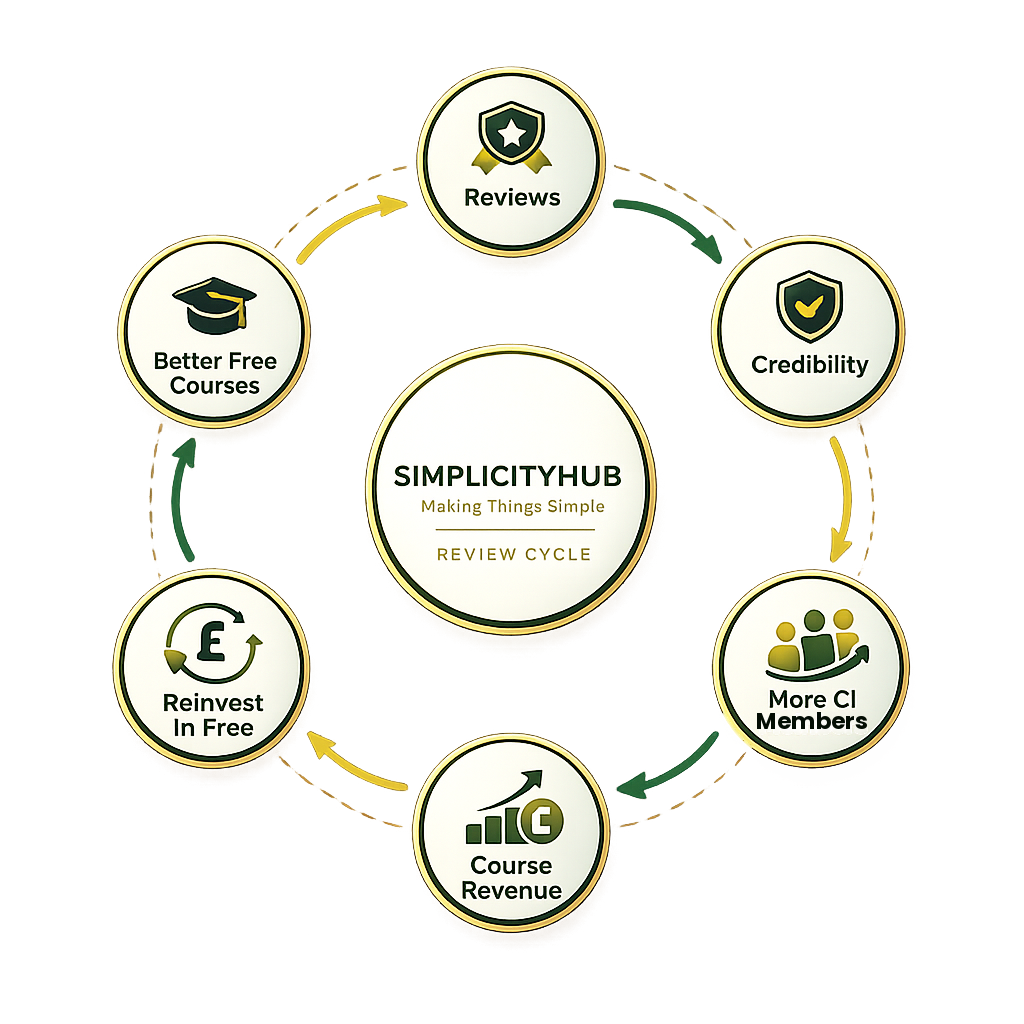
View Green Belt →Free courses take time and money to create. Your review gives us credibility, brings in more learners, and we plough that revenue straight back into free resources.