
What is a Communication Plan Template?
A communication plan defines who needs to know what, when they need to know it, and how they will be told — throughout the life of an improvement project. It ensures the right people receive the right information at the right time, and prevents the silence that breeds rumour and resistance.
Communication plans are especially important when a project involves process changes that affect people's day-to-day work. The quality of your communication often determines whether a technically sound solution succeeds or fails in practice.
Built in the Define phase, the communication plan runs alongside the project from start to handover and is closely linked to the stakeholder analysis.
When to use a Communication Plan Template
Build a communication plan at the start of any project where change will affect people beyond the core project team. You need one when:
- Process changes will affect how staff perform their daily work
- Multiple stakeholder groups need different levels of information
- Previous projects have failed due to poor communication or lack of buy-in
- The sponsor requires regular structured updates on project progress
Who should use a Communication Plan Template
- Green Belts and Black Belts — as a Define phase deliverable on projects with significant change impact
- Change Managers — to plan engagement alongside the technical improvement work
- CI Managers — to ensure programme-level communications reach the right audiences
- Project Sponsors — to agree the frequency and format of updates they will receive
Vote yes and we’ll prioritise a quick walkthrough showing you exactly how to use it.

How to build a Communication Plan
Start from your stakeholder analysis — every stakeholder group has different information needs. The communication plan translates those needs into a schedule of specific messages, channels and owners.
How to build a Communication Plan — step by step
-
1List all stakeholder groups
Take the groups from your stakeholder analysis. Each group gets its own row in the communication plan — their information needs and preferred channels may differ.
-
2Define what each group needs to know
For each group, what is the key message? All-staff groups need high-level context ('what this means for you'). Sponsors need progress against milestones. Process owners need operational detail.
-
3Choose the right channel for each group
Email, team meeting, manager briefing, all-hands, intranet post, noticeboard, one-to-one. Match the channel to the audience — not everything needs an all-staff email.
-
4Set the frequency
How often does each group need an update? Sponsors may need fortnightly briefings. Affected staff may need a one-off briefing before go-live, then a follow-up after. Be realistic about what you can sustain.
-
5Name a message owner
Who is responsible for delivering each communication? The project lead may write the content, but the line manager may be better placed to deliver it to frontline staff.
-
6Draft the key messages in advance
Write the core messages for each phase of the project before you need them. Rushing communications at the last minute produces messages that confuse rather than clarify.
-
7Review and adapt as the project progresses
Communication needs change as the project moves through phases. Review the plan at each phase gate and update messages to reflect where you are and what is changing.
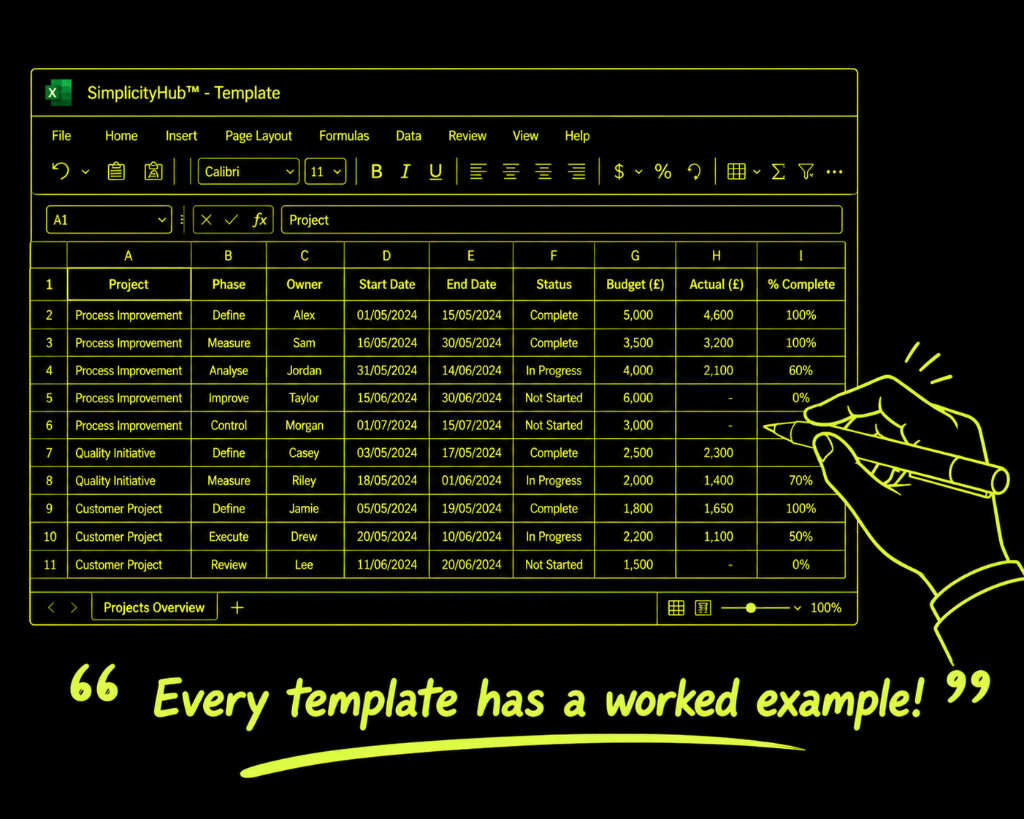
Worked example — Warehouse Reorganisation Communications
A completed communication plan for a warehouse process change project, showing stakeholder groups, messages, channels, frequency and owners.
Common mistakes — and how to avoid them
Communicating only at the start and end. A single launch announcement followed by silence breeds anxiety. Regular updates — even brief ones that say 'still on track' — maintain trust throughout the project.
One size fits all. Sending the same detailed project update to all-staff and to the executive sponsor wastes everyone's time. Tailor the depth and language of each message to its audience.
Forgetting middle managers. Frontline staff often hear about changes through their line managers. If managers are not briefed first and given the right messages, they will either say nothing or say the wrong thing.
No feedback mechanism. Communication is two-way. Build in a way for affected staff to ask questions and raise concerns — Q&A sessions, a named contact, an open channel. Silence from the team is not the same as acceptance.
Tips for getting better results
Brief managers before all-staff. Always ensure line managers receive information before their teams — not at the same time. They need time to prepare for questions before they face them.
Use the language of the audience. Operations staff respond to plain language. Executives respond to data and strategic framing. Write every message for the person receiving it, not for the person sending it.
Keep a log of communications sent. Record what was sent, to whom, when and by whom. This is invaluable if a stakeholder later claims they were not informed.
Download the Communication Plan Template
A clean, editable Excel template for immediate use — structured, professional and ready to fill in.
Frequently asked questions
How detailed should it be?
Enough to be actionable: audience, message, channel, frequency, and owner for each communication.
Who owns it?
The project lead owns it, but the sponsor should review and agree it.
How often should it be updated?
Review at each phase gate and update whenever the stakeholder landscape changes.
What channels should I use?
Match channel to audience — email for formal updates, meetings for discussion, one-pagers for senior stakeholders.
Advanced Toolkit Packs — available now
Structured, ready-to-use template packs designed for real improvement work. Pick the pack that matches your project and get started straight away.
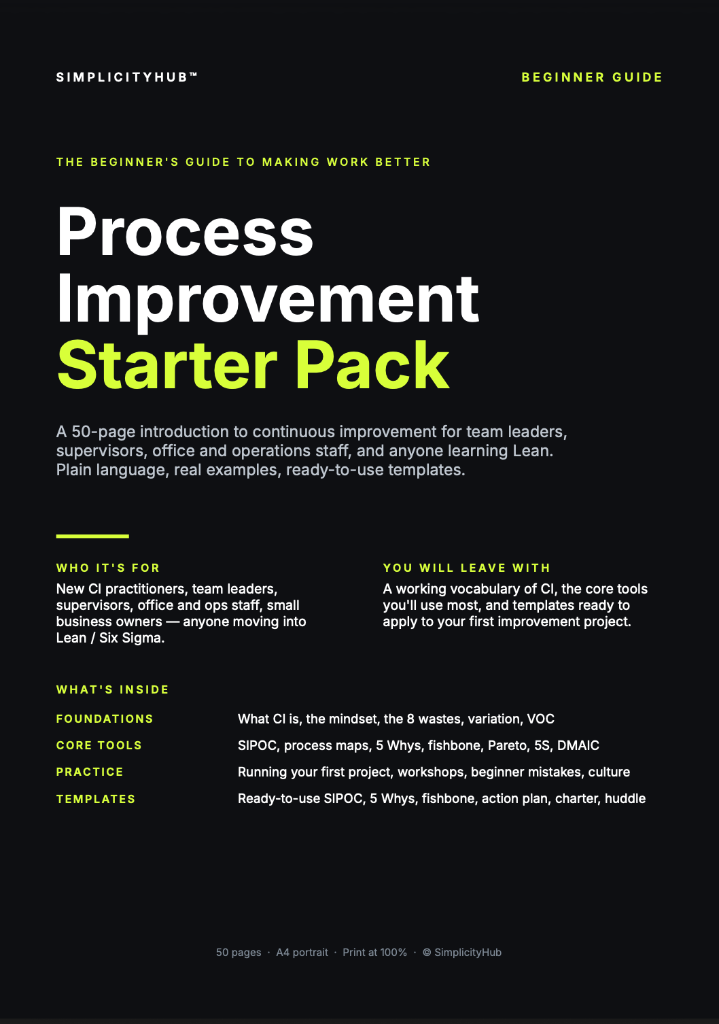
Process Improvement Starter Pack
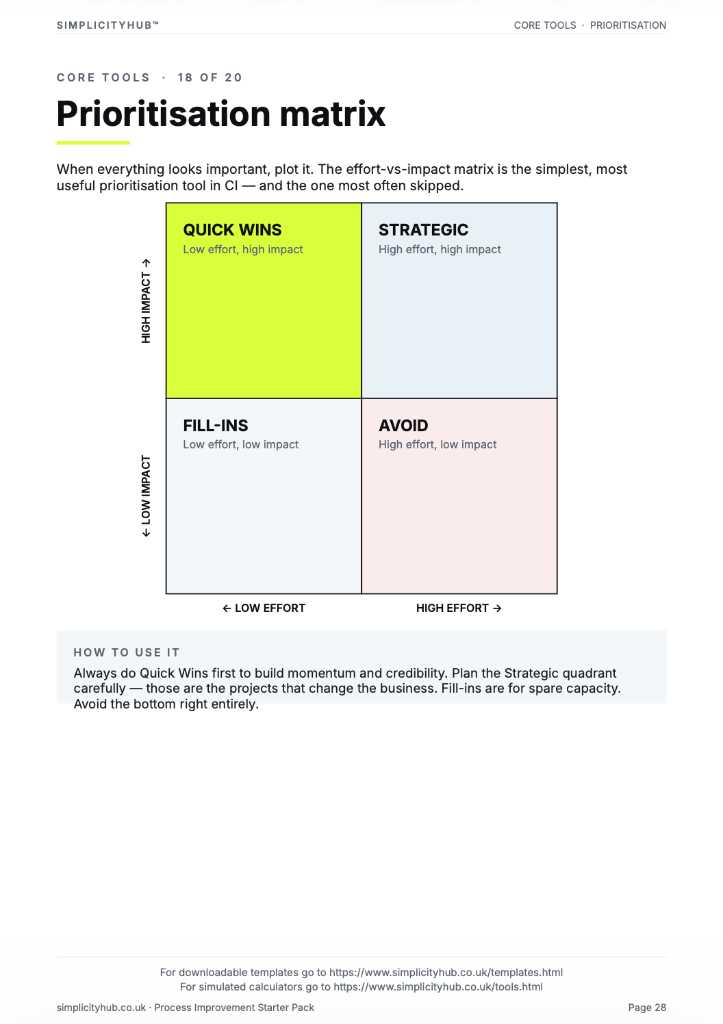
A starter pack for identifying improvement opportunities, measuring baselines and planning action.
Root Cause Analysis Toolkit
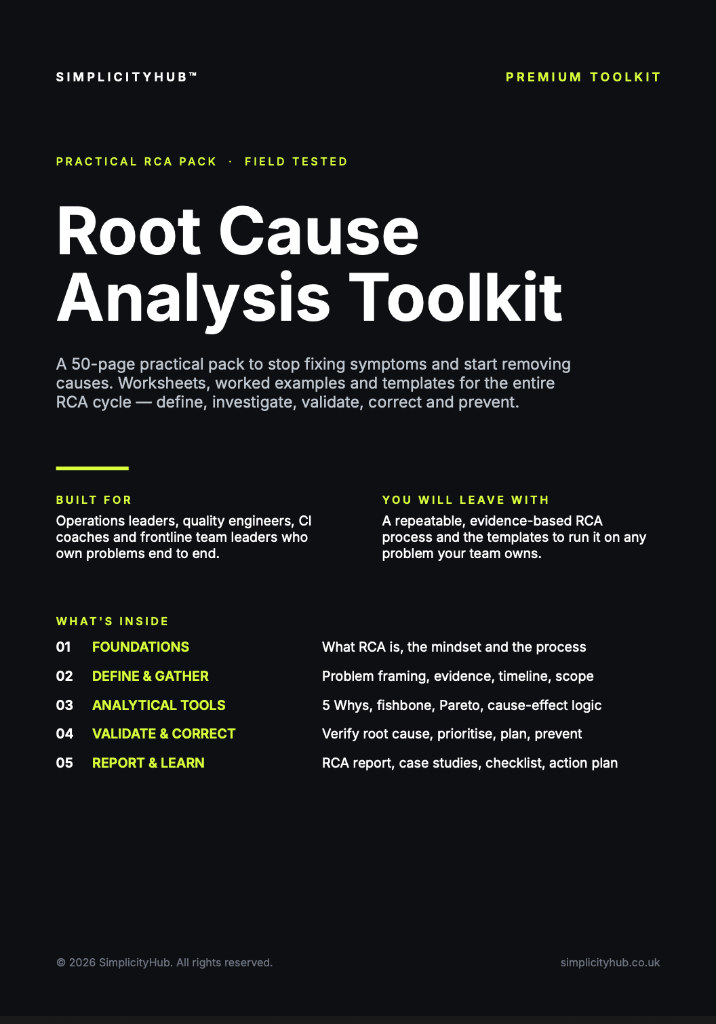
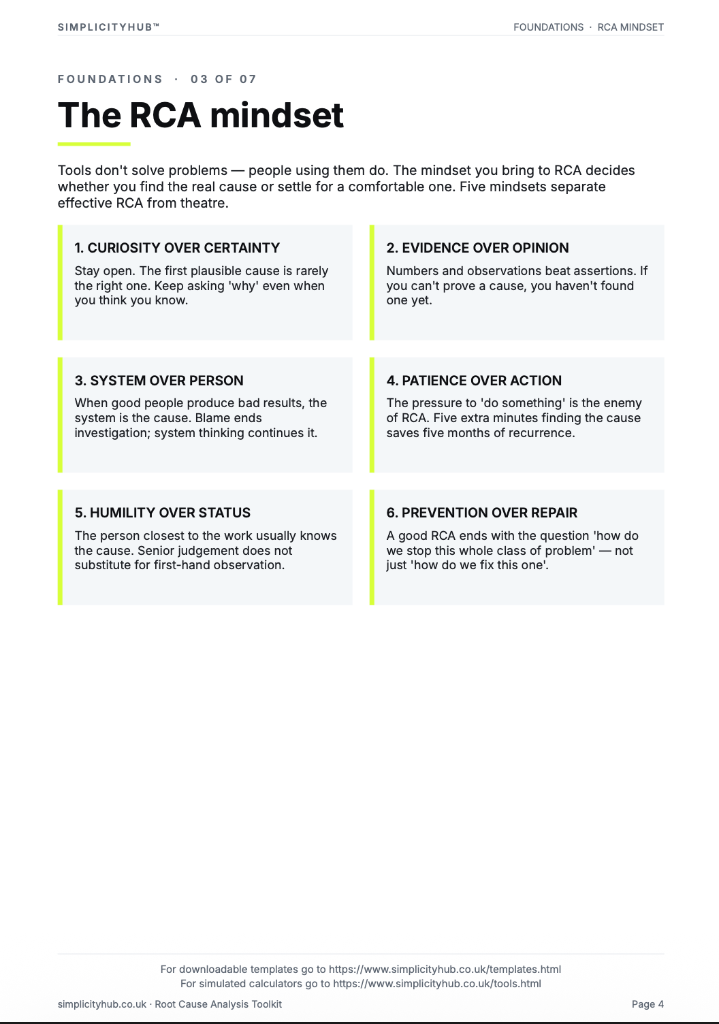
A practical RCA toolkit for defining problems, finding causes, validating evidence and creating action.
A3 Template Pack
A clean A3 problem-solving pack for concise, visual improvement thinking and follow-through.