What is a Stakeholder Feedback Log Template?
A Stakeholder Feedback Log Template provides a structured register for capturing, tracking and responding to feedback from project stakeholders. It ensures no input is lost and demonstrates to stakeholders that their views have been heard and acted upon.
When to use a Stakeholder Feedback Log Template
Use it throughout the project from kick-off to closure, whenever stakeholder engagement activities generate feedback — interviews, workshops, steering group reviews or informal conversations. Hand it over at project closure as part of the lessons learned record.
Who should use a Stakeholder Feedback Log Template
- Black Belts and project leads — capturing and managing stakeholder feedback throughout a DMAIC project
- Change managers — tracking the concerns and resistance signals from affected stakeholders
- Process owners — recording and responding to team feedback during and after process implementation
- Sponsors — reviewing the quality of stakeholder engagement and whether concerns are being addressed
Watch: a quick explainer
New to this? This short video walks you through understanding your stakeholders so you can track their feedback — a helpful primer before you download and use the template.
How to use a Stakeholder Feedback Log — step by step
- 1Record feedback as it is received
Log every piece of stakeholder feedback immediately — in a meeting, in a corridor, in an email. Don't filter at the point of capture.
- 2Note the stakeholder and context
Record who gave the feedback, their role, the date and the context (meeting, interview, survey, informal).
- 3Classify the feedback
Categorise as: Positive, Concern, Suggestion, Objection or Question. This helps identify patterns across stakeholders.
- 4Assess the impact and urgency
Rate each item: does it affect the project plan? Does it represent a risk? Does it need a formal response?
- 5Assign a response owner
Every concern or objection needs a named owner who will respond or take action.
- 6Record the response and date
Document how each item was addressed and when. This creates an audit trail of stakeholder management.
- 7Review the log at every project review
Open items with no response are a project risk. Review the full log at each steering group meeting.
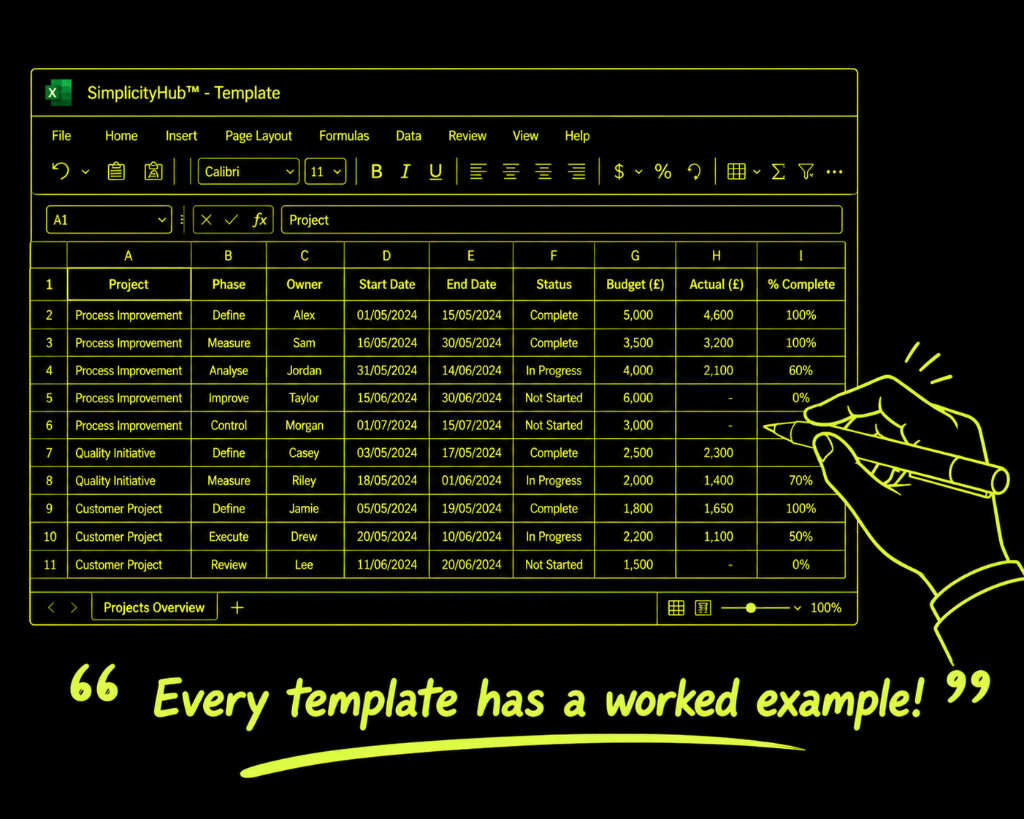
Worked example — ERP Implementation Stakeholder Feedback
A project team logged 43 stakeholder feedback items during an ERP implementation — identifying a critical concern from the finance manager about month-end reporting that, if unaddressed, would have delayed go-live by 8 weeks.
Common mistakes — and how to avoid them
Only logging formal feedback. Some of the most important feedback comes informally — in corridors, over coffee, in passing comments. Log everything.
No response tracking. Logging feedback without tracking whether it was addressed creates stakeholder frustration. Every item needs a status and a response.
Treating all feedback equally. A director's concern about project viability needs a different response than a suggestion about meeting time. Classify and prioritise appropriately.
Not reviewing the log regularly. A log reviewed only at project closure misses the opportunity to address concerns while there is still time to act.
Tips for getting better results
Share relevant summaries with the sponsor. A monthly summary of stakeholder themes and how they are being addressed gives the sponsor confidence the project team is engaged.
Use the log for lessons learned. The pattern of stakeholder concerns across a project is valuable input for planning future projects. Archive it properly.
Close the loop with stakeholders. Tell stakeholders what you did with their feedback. It builds trust and encourages further engagement.
Frequently asked questions
What type of feedback should be logged?
All substantive feedback — concerns, suggestions, objections, questions, and commitments.
Who is responsible for logging it?
The project lead, with input from anyone who receives feedback informally.
How should feedback be responded to?
Each item should have a response action and owner. Even decisions not to change should be documented.
Is it necessary for small projects?
For projects with more than five stakeholders or significant organisational impact, yes.
Advanced Toolkit Packs — available now
Structured, ready-to-use template packs designed for real improvement work. Pick the pack that matches your project and get started straight away.
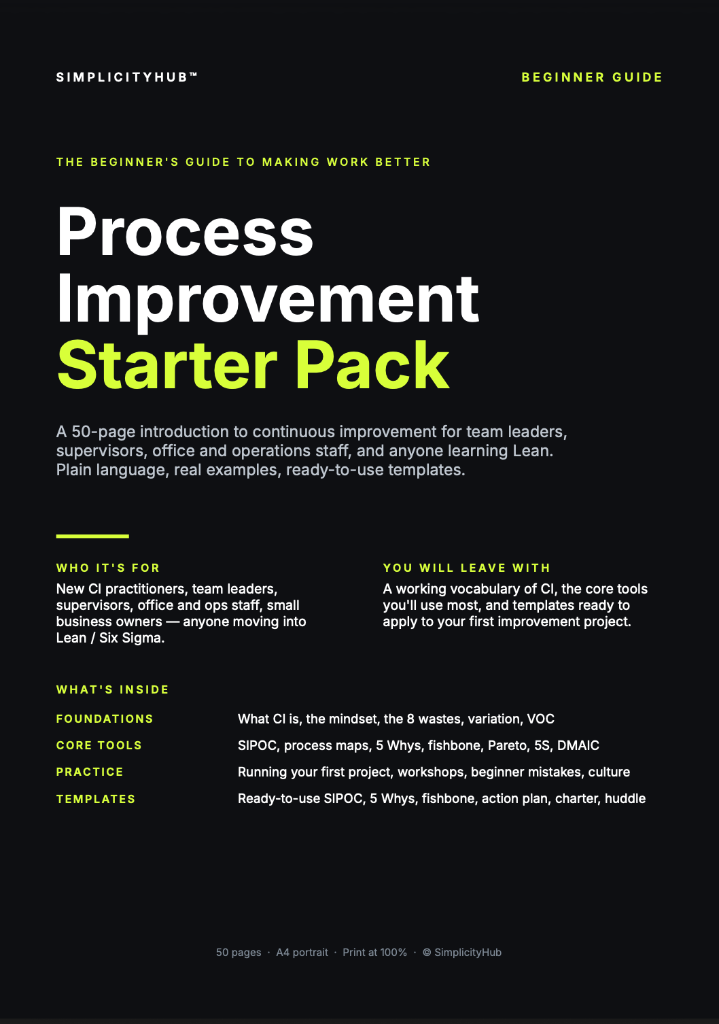
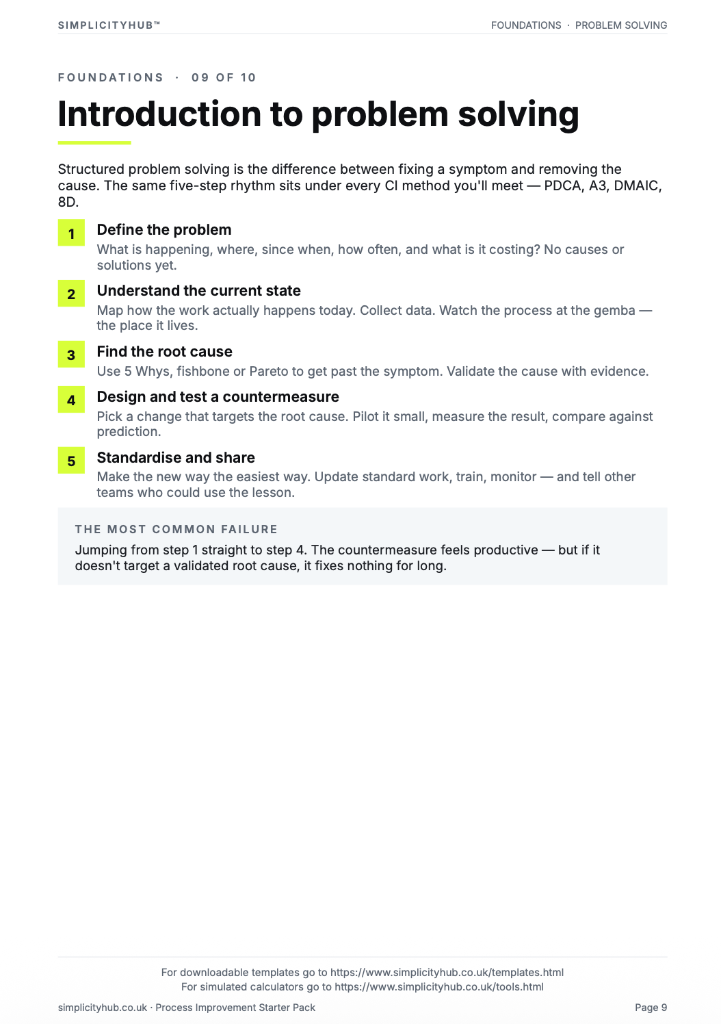
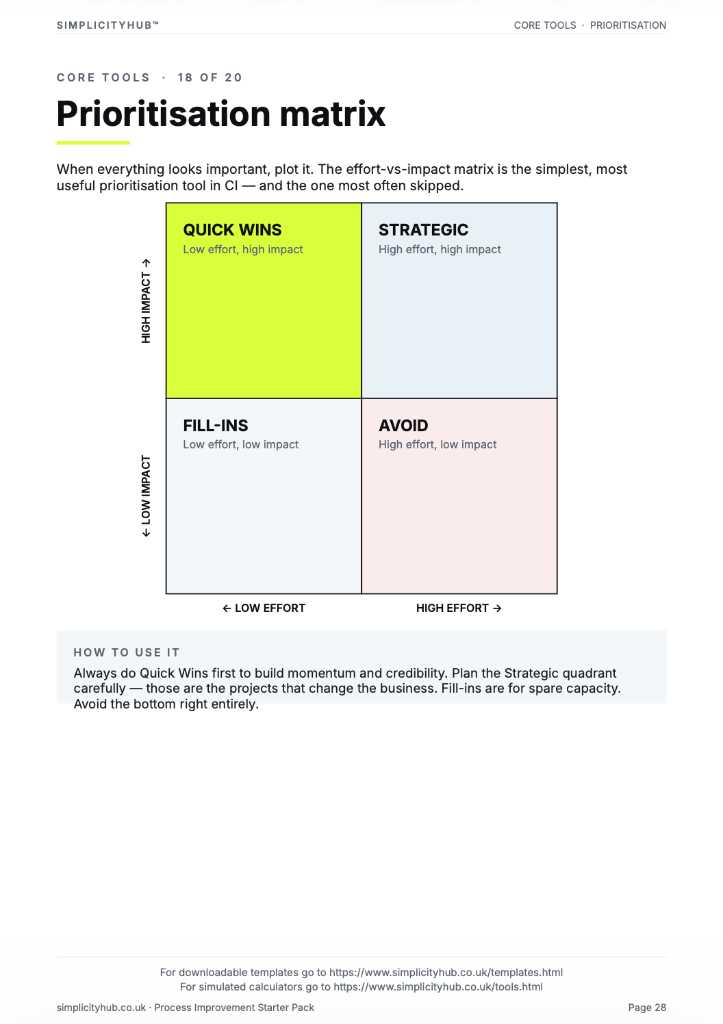
Process Improvement Starter Pack
A starter pack for identifying improvement opportunities, measuring baselines and planning action.
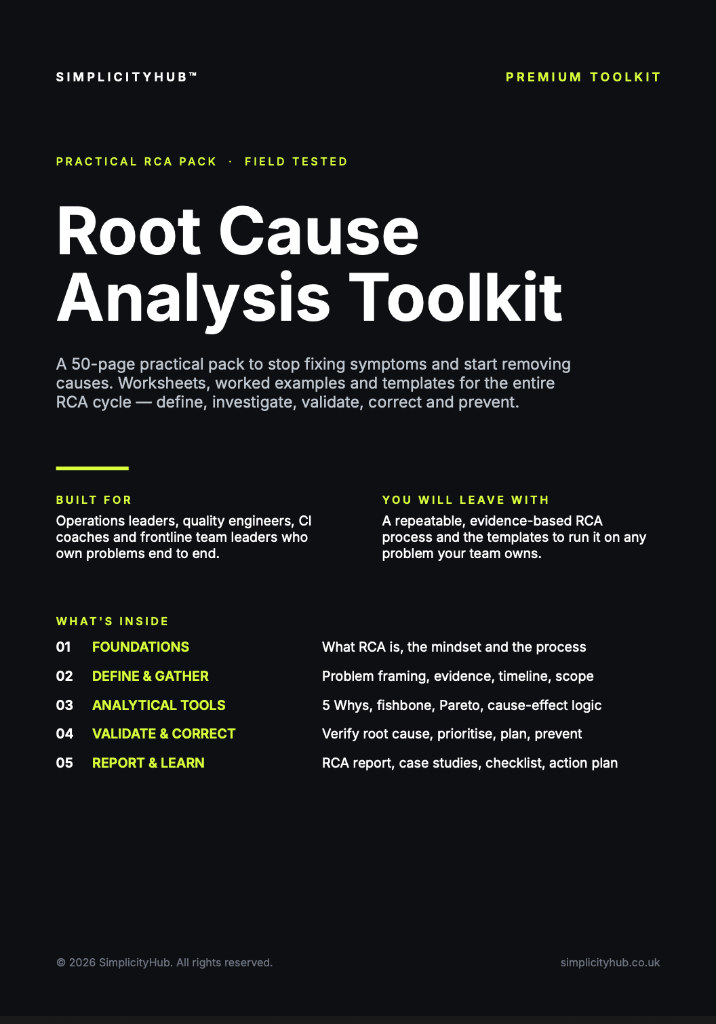
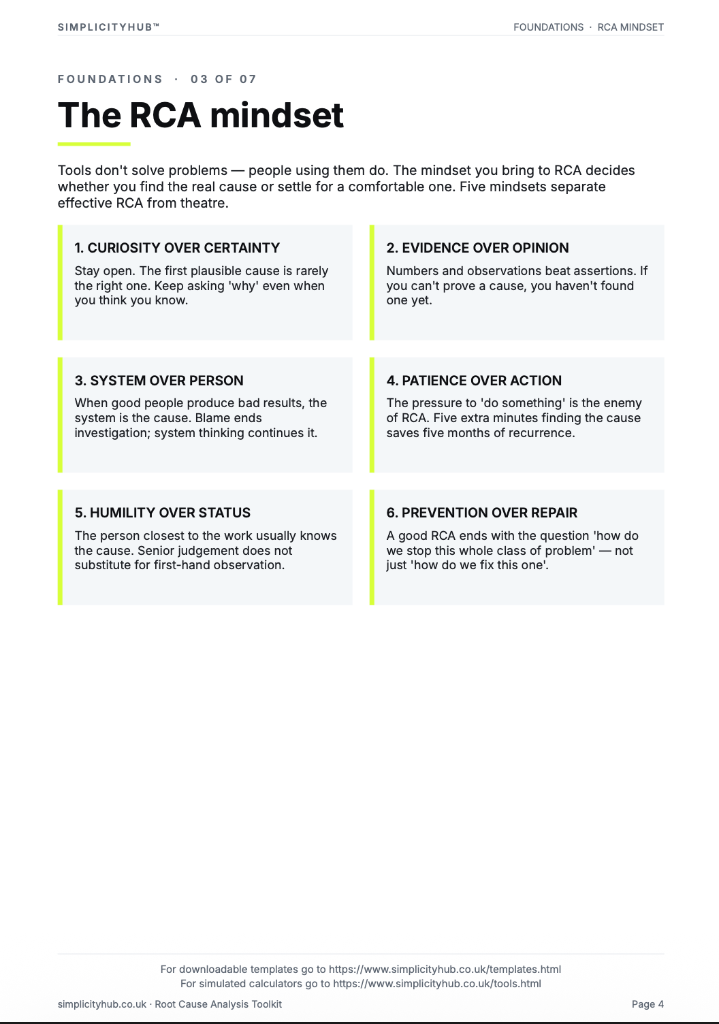
Root Cause Analysis Toolkit
A practical RCA toolkit for defining problems, finding causes, validating evidence and creating action.
A3 Template Pack
A clean A3 problem-solving pack for concise, visual improvement thinking and follow-through.