
What is a Cause Shortlist Template?
A Cause Shortlist is a structured prioritisation tool that narrows a long list of potential causes — typically generated from a fishbone or brainstorm — to the vital few most likely to be genuine root causes, using a combination of multi-voting, evidence scoring and team consensus.
After an analysis session generates 15, 20 or more potential causes, the cause shortlist provides a transparent, team-based method for reducing this to three to five priority causes for targeted validation — preventing teams from either investigating everything (wasted effort) or choosing based on personal preference (biased analysis).
Used in the Analyse phase, it bridges brainstorm and validation — converting a long list into an actionable shortlist.
When to use a Cause Shortlist Template
Use the Cause Shortlist when a cause analysis session has produced more potential causes than you have capacity to investigate. Use it when:
- A fishbone, brainstorm or fault tree has generated ten or more potential causes
- The team disagrees on which causes to prioritise and you need an objective method
- Time or data collection resources are limited and you must focus on the most likely causes
- You want to document the shortlisting rationale to share with a sponsor or quality auditor
Who should use a Cause Shortlist Template
- Green Belts and Black Belts — to prioritise causes before validation in the Analyse phase
- CI Facilitators — to run structured prioritisation sessions after fishbone or brainstorm exercises
- Quality Teams — during CAPA processes where multiple potential causes have been identified
- Operations Teams — when narrowing improvement focus for a Kaizen event or rapid improvement cycle
Watch: a quick explainer
New to this? This short video walks you through narrowing down to the causes that matter — a helpful primer before you download and use the template.

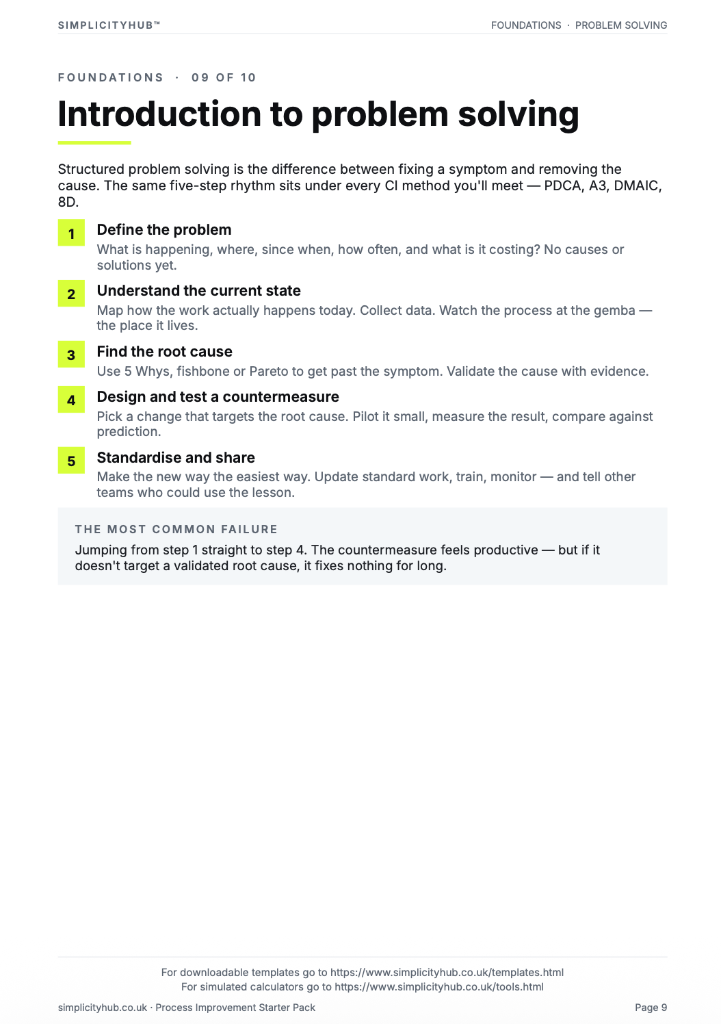
How to use the Cause Shortlist
The shortlisting process works best when evidence, not opinion, drives the ranking. Be explicit about what evidence exists for each cause before any voting or scoring takes place.
How to use the Cause Shortlist — step by step
-
1Transfer all potential causes from the brainstorm
List every cause from the fishbone, 5 Whys or brainstorm as a numbered row. Do not filter at this stage — every cause goes on the list.
-
2Remove duplicates and merge overlapping causes
Causes that are essentially the same or that are sub-causes of each other should be merged or clarified. This typically reduces the list by 20–30%.
-
3Multi-vote to make an initial cut
Give each team member three to five votes to allocate across the causes. Each person places their votes on the causes they believe are most likely. Causes with no votes are moved to a 'watch list' and not actively pursued.
-
4Assess evidence for remaining causes
For each cause that received at least one vote, note the evidence: data, observation, process knowledge, historical incidents. Score evidence strength (Strong/Moderate/Weak/None).
-
5Shortlist to the top three to five causes
Combine the multi-vote score and evidence strength to identify the three to five causes with the strongest combined case. These are the shortlisted causes for validation.
-
6Document the causes not shortlisted and why
Record the causes that did not make the shortlist and the reason. This provides a reference if the shortlisted causes are later ruled out and the team needs to return to the full list.
-
7Plan targeted validation for each shortlisted cause
For each shortlisted cause, define how it will be validated: what data will be collected, from where, by whom and over what period. This feeds directly into the data collection plan.
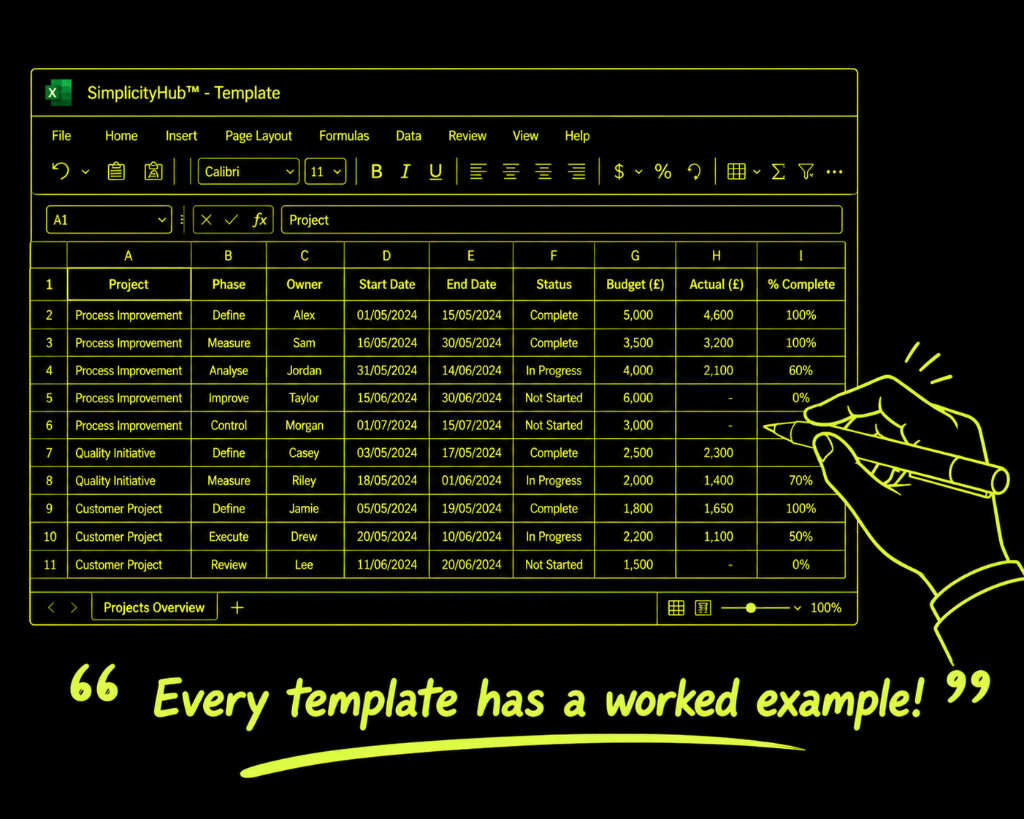
Worked example — Production Downtime Cause Shortlist
A completed Cause Shortlist for a production downtime investigation, showing 14 initial causes narrowed through multi-voting and evidence assessment to two confirmed priority causes.
Common mistakes — and how to avoid them
Shortlisting based on seniority, not evidence. If the most senior person in the room advocates for a cause, teams often defer to them. Run the multi-vote anonymously or before discussion to prevent seniority bias.
Discarding non-shortlisted causes permanently. Shortlisted causes are prioritised — not confirmed. If validation later rules them out, the team needs to return to the full list. Keep it accessible.
Shortlisting too many causes. A shortlist of ten is not a shortlist. The purpose is to focus effort. Three to five causes is a manageable number for targeted validation within typical project timeframes.
No validation plan for shortlisted causes. Shortlisting is not confirmation. Every shortlisted cause still needs to be validated with data or observation before it is treated as a confirmed root cause.
Tips for getting better results
Use anonymous dot voting for the multi-vote. Give each participant dot stickers and let them place votes privately before revealing the distribution. Anonymous voting produces more honest prioritisation than a show of hands.
Separate 'most likely' from 'easiest to fix'. Teams sometimes shortlist causes that are easy to address rather than those most likely to be real. Keep the shortlisting focused on evidence, not on solution availability.
Revisit the shortlist after the first validation round. If the top-scoring cause is ruled out by data, the shortlist tells you exactly where to look next. A well-documented shortlist accelerates the return to the cause analysis if the first round of validation does not confirm the root cause.
Download the Cause Shortlist Template
A clean, editable Excel template for immediate use — structured, professional and ready to fill in.
Frequently asked questions
How many causes should be on the shortlist?
Aim for three to seven. Too many causes to validate wastes time.
How is it different from a fishbone?
A fishbone generates all possible causes. The shortlist is the prioritised output based on data and expertise.
Should the shortlist be agreed by the team?
Yes. Use multi-voting or a prioritisation matrix rather than letting one person decide.
What if validated causes are not on the shortlist?
Go back and reopen the fishbone. The shortlist is a hypothesis — validation tests it.
Advanced Toolkit Packs — available now
Structured, ready-to-use template packs designed for real improvement work. Pick the pack that matches your project and get started straight away.
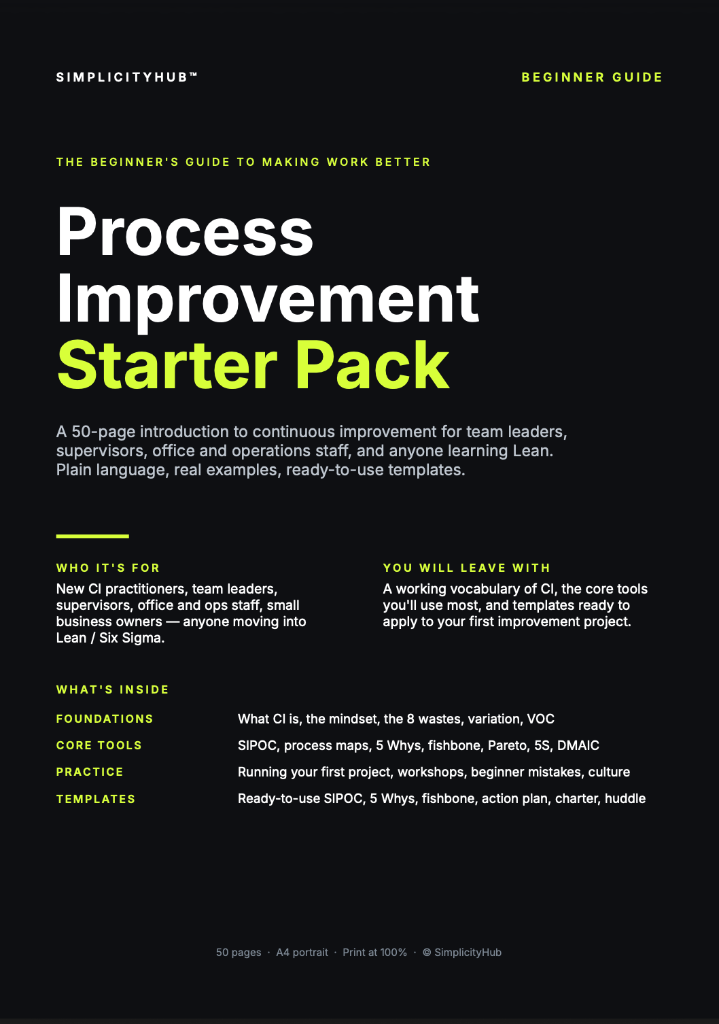
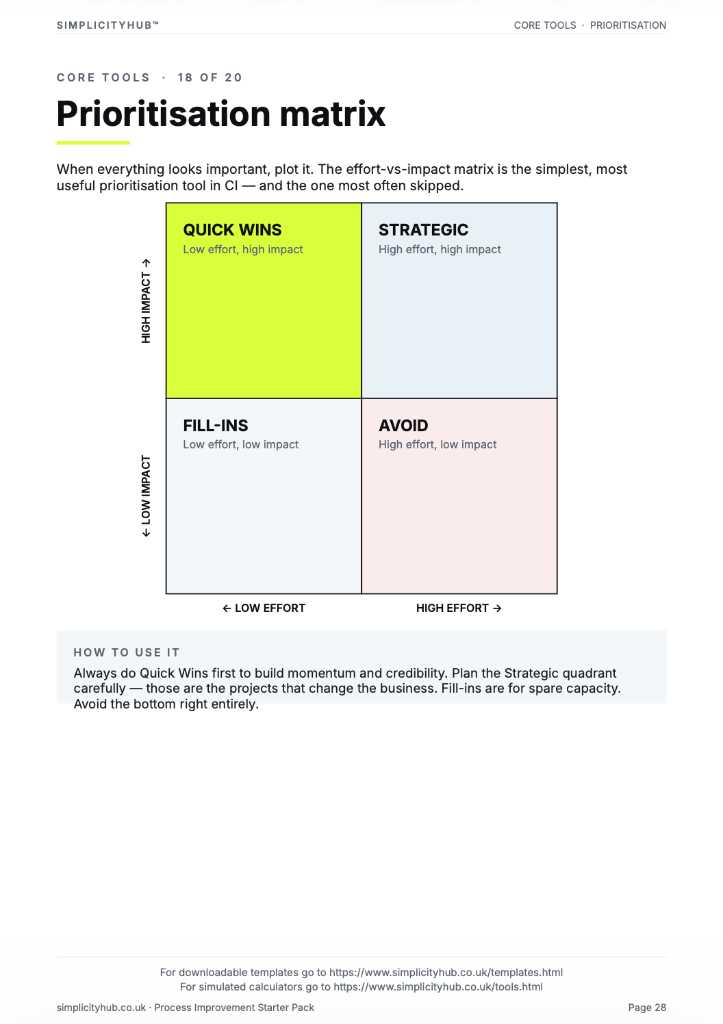
Process Improvement Starter Pack
A starter pack for identifying improvement opportunities, measuring baselines and planning action.
Root Cause Analysis Toolkit
A practical RCA toolkit for defining problems, finding causes, validating evidence and creating action.
A3 Template Pack
A clean A3 problem-solving pack for concise, visual improvement thinking and follow-through.